
UI/UX
Custom Design vs. Themes: An ROI Perspective
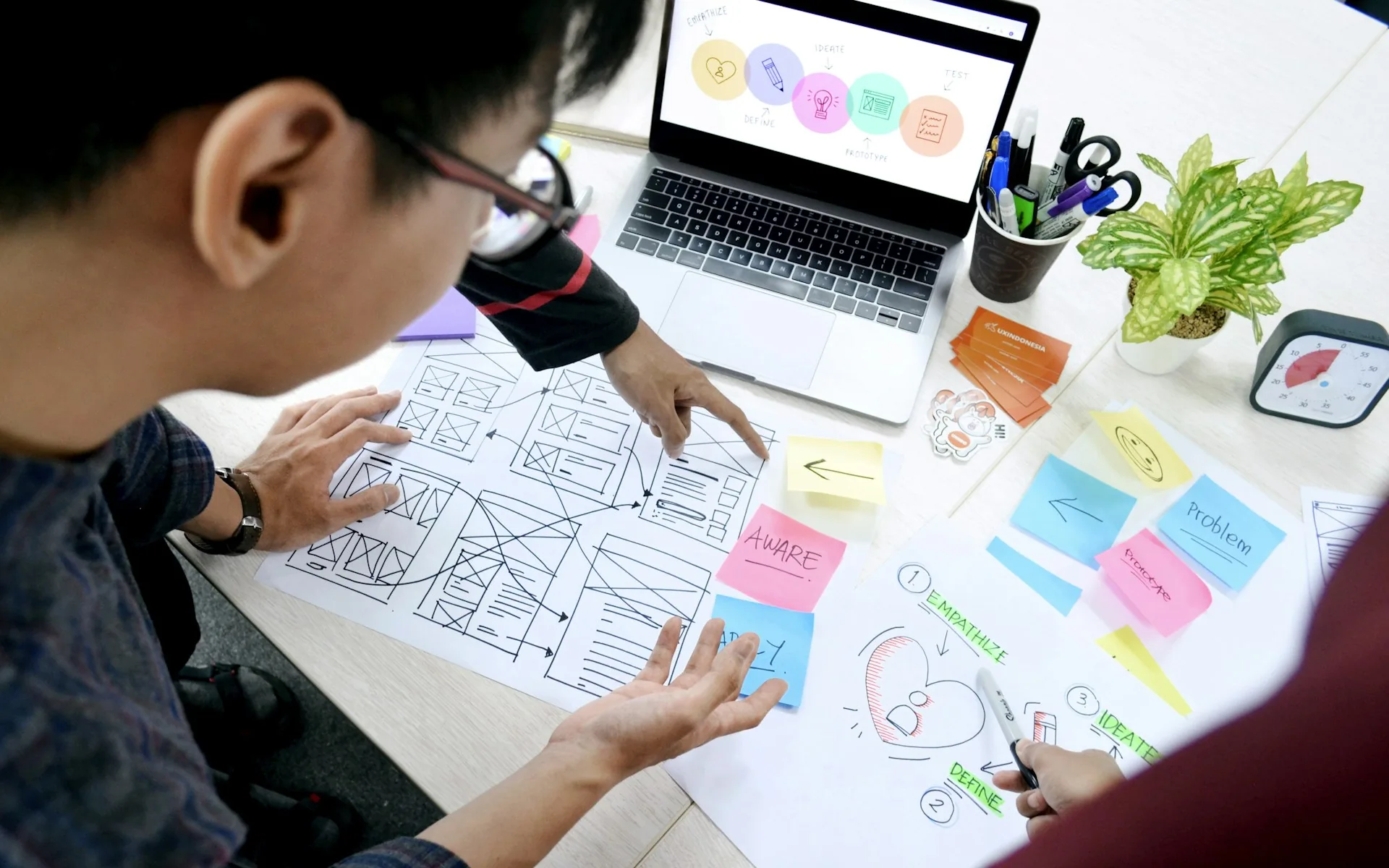
When a business reaches a certain scale, its website can no longer be a generic brochure. Here's why growing brands eventually move away from off-the-shelf themes in favor of purpose-built design.
The Allure of the Template
The appeal is real. Platforms offering cheap, ready-made templates promise a fast way to get online, and for a brand-new startup validating an idea, a template is often the right call. But as a business grows, the limitations of that template start to show up in ways that quietly stifle growth rather than obviously breaking anything.
Templates are built to serve thousands of different businesses at once. To do that, they have to stay generic — shipping code for features you'll never use, layouts that don't quite fit your content, and a visual language that plenty of competitors have already purchased too.
The "Square Peg, Round Hole" Problem
With a theme, your content has to adapt to the design. If the template has room for three short bullet points but your value proposition actually needs a detailed paragraph and a supporting diagram, you end up compromising your message to fit the box the theme gives you.
Custom design flips that relationship. The interface gets built around your actual content, your workflows, and your specific user journey — every section serving the business goal rather than filling a predefined placeholder.
The Asset vs. The Expense
A website built on a rigid theme tends to become an ongoing expense. Adding a feature means relying on plugins that break during updates. Rebranding often means starting over close to from scratch. The technical debt accumulates until the site becomes genuinely difficult to maintain.
A custom-engineered website, by contrast, functions as a digital asset. Built on a modern, scalable stack, it's designed to grow with the business — the codebase belongs to you, it's documented, and it can be extended cleanly as operations expand into new features, tools, or platforms.
The ROI of Differentiation
Ultimately, the return on custom design comes down to differentiation. If you're selling a premium service or a distinctive product, your digital storefront needs to reflect that. It's hard to look like everyone else and still command a premium price.
Through deliberate typography, thoughtful motion, and a genuinely tailored experience, a custom website signals that a business invests in quality — which implicitly promises the customer that quality carries through to what they're actually buying.
Wondering whether your current site has outgrown its template? Get in touch and we'll give you an honest read on where it stands.
See what a custom build actually looks like on our web design services page.